Bulwark Dynamics has closed its pre-seed funding round, securing the capital to accelerate development and field testing of its autonomous maritime logistics platform. The round was led by investors with deep backgrounds in defense technology and national security, and it includes participation from founders who have previously built and scaled hardware companies serving the U.S. Department of Defense.
The company was built on a direct conviction: the defense industrial base has to be able to produce autonomous maritime systems at the speed and scale the current strategic environment demands. Distributed operations across the Indo-Pacific call for maritime systems in quantities the existing industrial base was never set up to deliver, and no single kind of company, neither a traditional shipyard nor a software-first startup, is positioned to close that gap alone. The pre-seed round is the first institutional validation of that thesis.
Where the capital goes
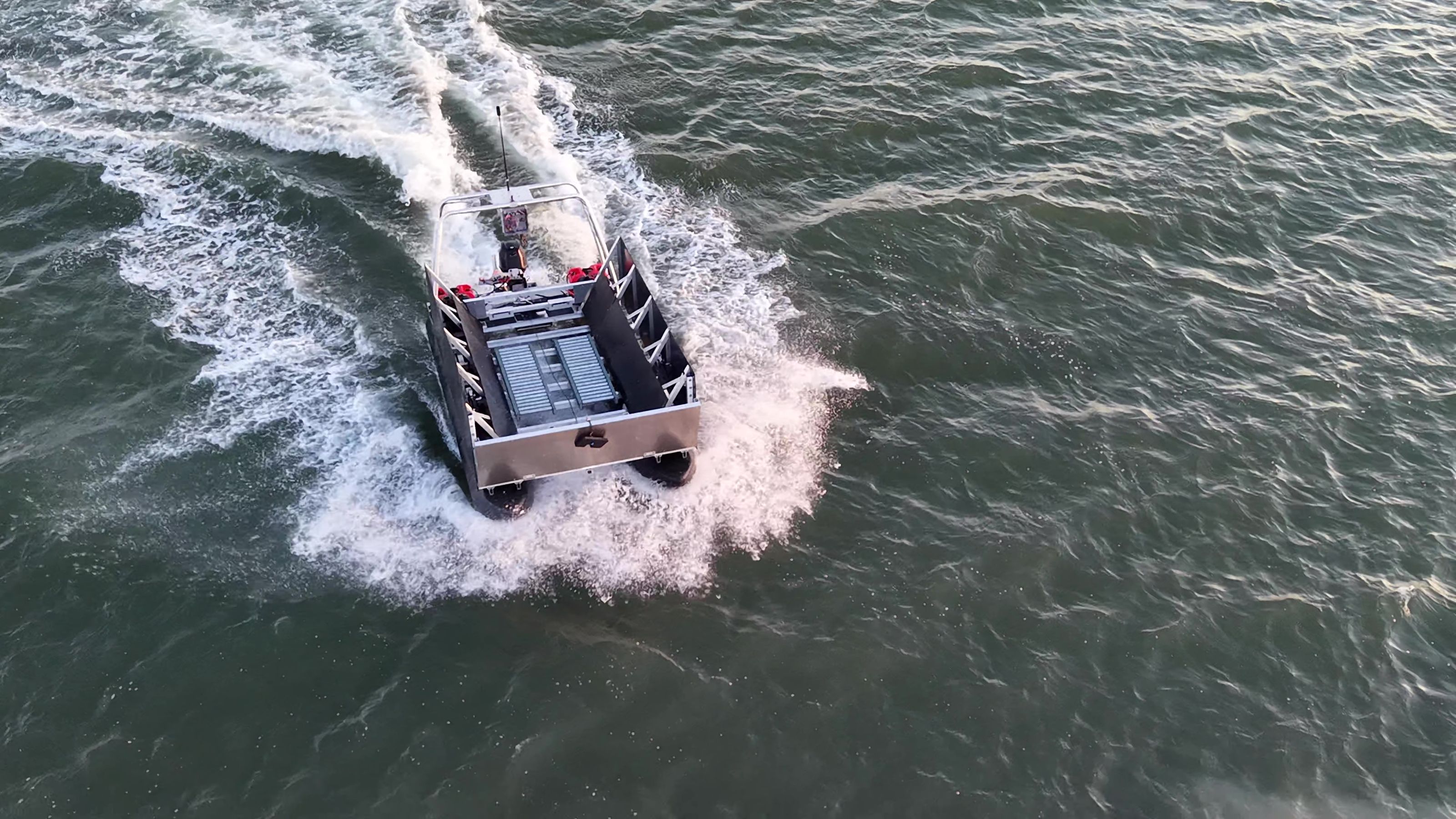
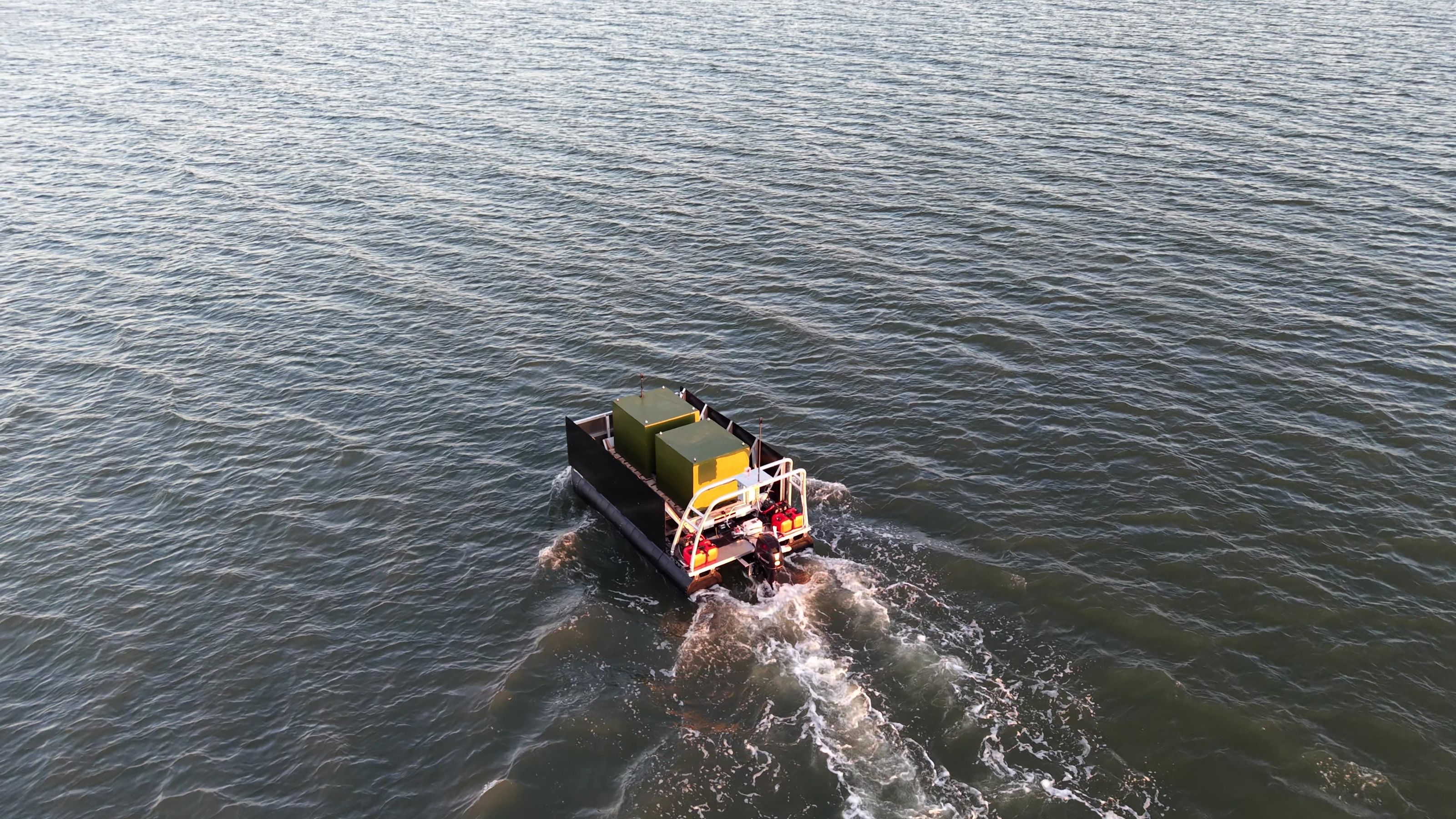
The funding will be deployed against three near-term objectives. The first is completing the initial Caravel prototype builds, the autonomous landing craft at the center of Bulwark’s platform. The second is standing up the company’s production facility in Menlo Park, where those prototypes are fabricated, integrated, and prepared for the water. The third is executing the first round of open-water operational evaluations, turning each run into design changes for the next hull.
A portion of the round is set aside to expand the engineering team, with hiring focused on autonomy engineers, systems integrators, and maritime domain specialists. The preference is for people who have worked on prior military or government hardware programs and understand what it takes to field a system, not just demonstrate one.
What comes next
With the round closed, Bulwark moves from thesis to execution: building and testing real hulls, preparing for government partner evaluations, and positioning to compete for U.S. government contracts in the near term. The longer plan pairs engineering and proving in the United States with repeatable production abroad, so that capability can be built close to where it will be used.